Addressing socio-economic determinants of health in the Lake Region
Health outcomes in the Lake Region are shaped not only by access to clinics, but also by income stability, transport, nutrition, and household decision-making power. HACEP Kenya continues to design interventions that respond to these socio-economic realities.
By combining community engagement, targeted support, and stronger referral pathways, we help families move from delayed care seeking to timely prevention and treatment.
Key barriers we are addressing
- Long travel distance and transport costs to health facilities
- Limited household income for follow-up appointments and medicines
- Gaps in health information for caregivers and adolescents
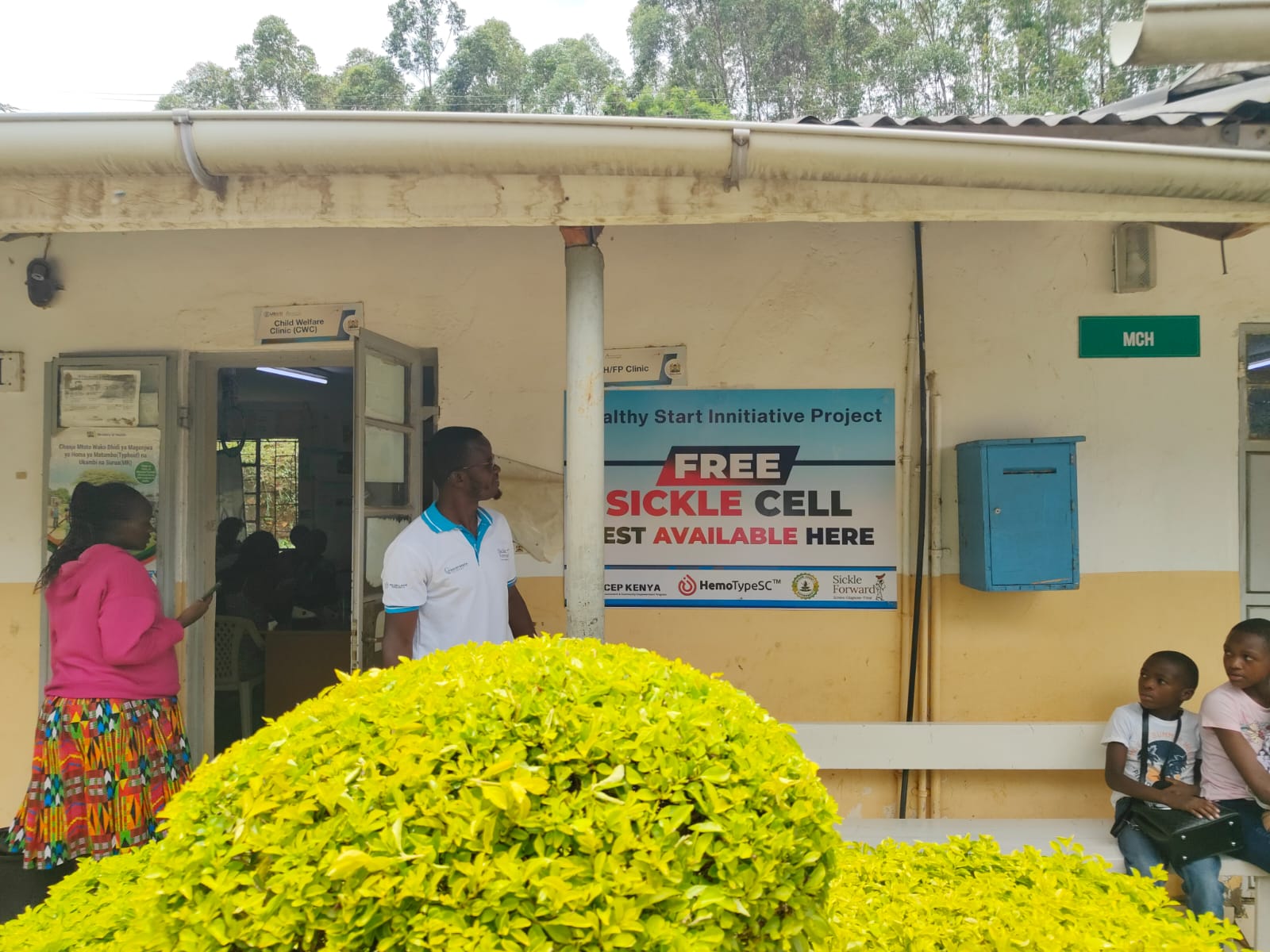
- Stigma around chronic conditions such as sickle cell disease
"Health equity means ensuring that where a child is born or how much a family earns does not determine whether life-saving screening and care are available."
Community-led solutions in practice
HACEP Kenya works with Community Health Promoters, local leaders, and county teams to ensure interventions are practical and culturally grounded. This includes:
- Household counseling and early referral for at-risk children
- Community education sessions on SCD prevention and care
- Linkages to local social support and economic resilience groups
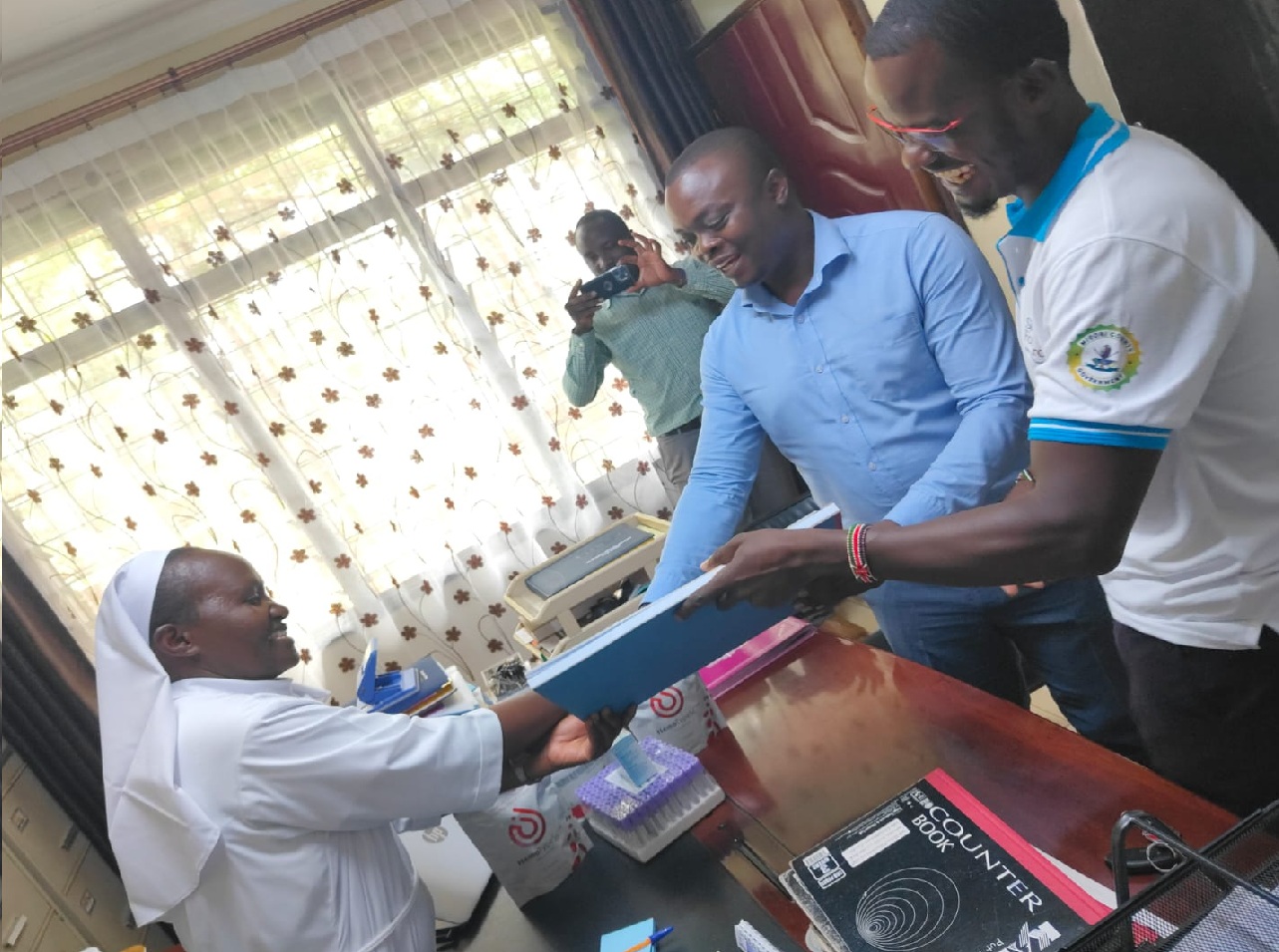
- Facility-community feedback loops to reduce missed follow-up
Results we are tracking
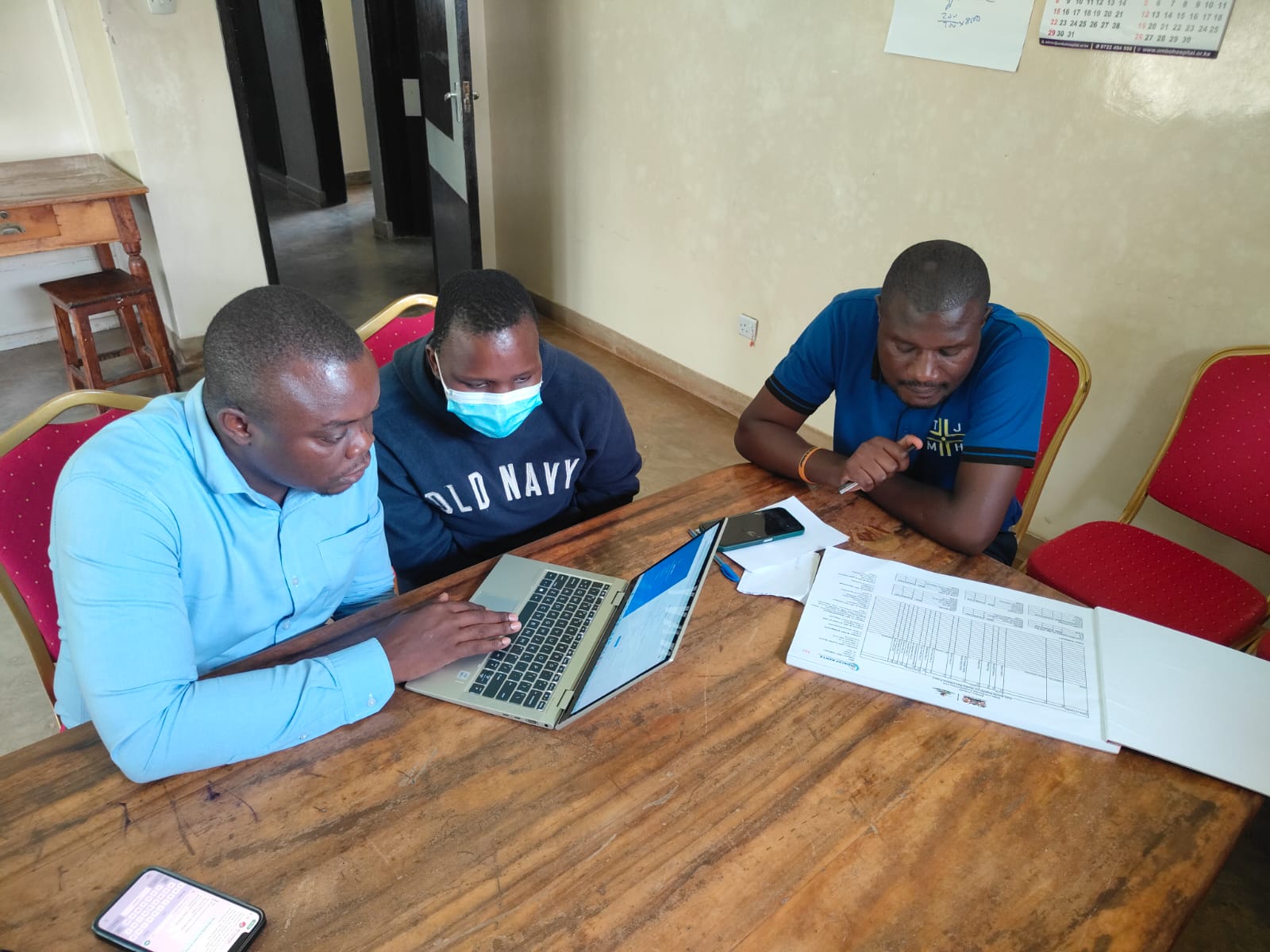
Our monitoring framework focuses on both health and social indicators, including screening uptake, follow-up adherence, caregiver knowledge gains, and reduced delays to care.
Addressing socio-economic determinants remains central to our mission because lasting health improvements require more than services, they require systems that include everyone.